TRENDSPOTTER – The Antiques that Gen Z and Millennials are buying now
Gabrielle Downie explains what’s catching the eye of our younger buyers at Cheffins
10/06/2026 Decorative Items
Second-hand shopping has never been more popular with younger generations. Platforms like Vinted have shown Millennials and Gen Z that they can find quality pieces for a fraction of the cost of buying new, while making more sustainable choices at the same time.
That shift is increasingly being reflected in the auction world. At Cheffins, we've seen buyer numbers from Millennials and Gen Z rise by around 40% over the past three to four years, particularly across our Interiors, Art & Design, Affordable Art, Jewellery, Silver and Watches sales. Since the pandemic, antiques and second-hand buying have shed their old-fashioned image and become an environmentally conscious way to shop.
Many younger buyers are often surprised by how accessible auctions are. Before joining Cheffins, I certainly didn't think auctions were a place for people like me. What I discovered was an exciting and affordable way to find unique pieces with real character. For those furnishing a first home on a budget, auctions offer that magpie moment - being able to find something completely unique.
Today's Millennial and Gen Z buyers are drawn to individuality. From colourful homewares and quirky kitchenware to functional pieces with personality, there is growing demand for items that help create a home that feels personal and distinctive. Nobody wants a boring plate anymore. Instead, buyers are looking for objects that bring joy, spark conversation and reflect their own style.
Buying second-hand allows people to build a home that feels truly their own. It's a chance to move away from mass-produced interiors and create a space filled with character, creativity and stories. These are some of the items we're seeing resonate most strongly with younger buyers today.
DECORATIVE/FOLK ART
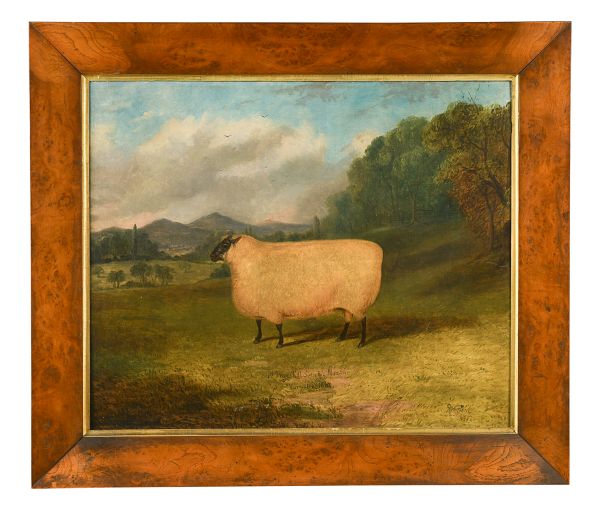
This is all about art which is bought for its aesthetic appeal, not its academic merit or the fame of its maker. Gen Z and millennials tend to buy for what they love, rather than what they think they should buy. Folk art in particular is seeing a real resurgence. Encompassing a range of items, from paintings to ceramics, fabric and even agricultural or kitchen implements, Folk Art is highly decorative and champions craftsmanship and heritage. Technically, there is no fixed definition for Folk Art. Rather it is works created by unknown artists, or those with no formal training, and is often characterised by pieces from the naïve school or pieces which are rooted in tradition. Usually identifiable by childlike or endearing imagery, the popularity of Folk Art appears to have been growing for around a decade, however, with today’s tastes for all things decorative and colourful, it appears to now be really taking off. When it comes to paintings, Folk Art is often referred to as ‘Provincial’ or ‘Naïve’ School. Once you get to know the motifs of Folk Art these can be easy to spot, perhaps the figures or animals are not anatomically correct, and could look like they have been painted by a child. They often come in maple frames and can achieve anything from the low hundreds to the thousands at auction.”
PRINTS
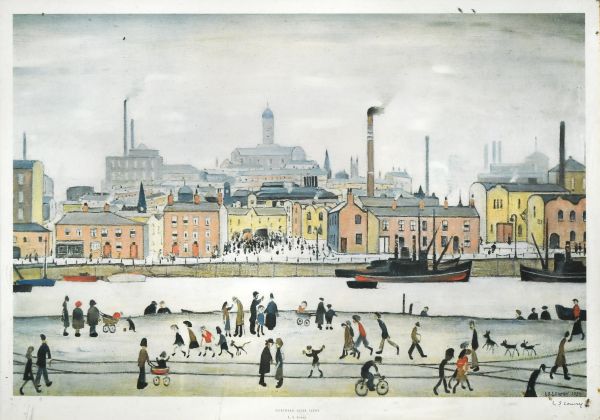
Buying prints is a great way for those without the very deepest of pockets to get into collecting art. With values ranging from a few hundred pounds for a signed Mary Fedden signed print to up to £10,000 for a Bacon, there is often something for everyone. If you are looking to decorate your house, are interested in art but don’t have a spare £20 million in the bank, these types of prints can provide a way to invest for less. For those fed up of High Street pictures or posters but who aren’t looking to re-mortgage the house in the process of creating a collection, owning a limited edition signed print really is the second best thing and can make a worthy bedfellow to original artworks as and when budgets allow.
PATTERNED CERAMICS/TABLEWARE
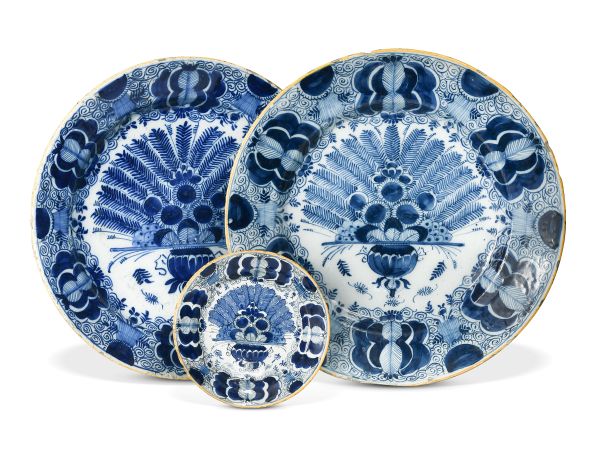
Plain white plates have had their day. Today's buyers are embracing colourful, patterned tableware, often favouring pieces that look as though they've been collected over generations rather than purchased in a single transaction.
Many decorative dinner services fell out of fashion during the 1990s, when minimalist interiors dominated. As a result, countless sets found their way into attics, charity shops and auction rooms. Now, as maximalism continues to influence interior design, demand has returned with force.
Driven by the popularity of "cottagecore" and "granny chic" aesthetics across social media, younger buyers are actively seeking patterned ceramics from makers such as Spode, Wedgwood and Davenport. Pieces that once sold for modest sums are now achieving significantly stronger prices, particularly when pattern, condition and rarity align.
For those looking to start collecting without spending a fortune, traditional blue-and-white Willow Pattern remains an accessible and timeless choice.
MIDCENTURY FURNITURE
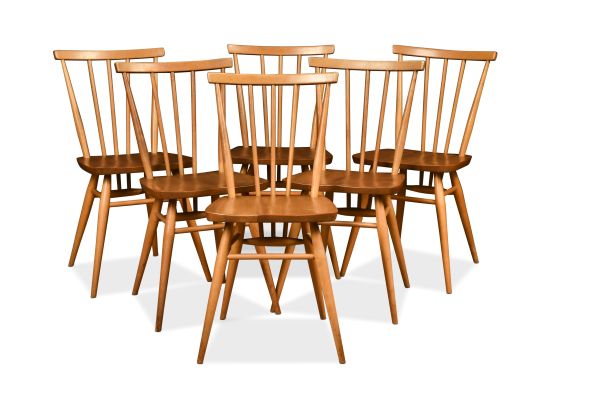
Around 25 years ago, Ercol and other similarly designed furniture was unsaleable. Tons of it was thrown into skips up and down the country. However, now, it has become cool again. Buyers are often young professionals looking to decorate homes with hints of mid-century style, or interior designers purchasing on behalf of clients. The popularity of this mid-century furniture is tangible when buying at auction or online, with the best examples now making into the hundreds of thousands. However, for those just dabbling in mid-century style interiors, there are still bargains to be had, with pieces by followers of the biggest names, and later factory produced pieces offering incredible value for money, whereas those with much deeper pockets are looking to invest in the very best in class by the likes Hans Wegner, Arne Vodder, Borge Mogensen, Finn Juhl, Ole Wanscher and Poul Kjaeholm.
To view the catalogue of upcoming sales at Cheffins, please click here